我花不到8美元自制了一个Yubikey安全密钥
DiebugI made my own Yubikey for less than $8
来源: makeuseof | 原文链接: https://www.makeuseof.com/made-own-yubikey-less-than-8/

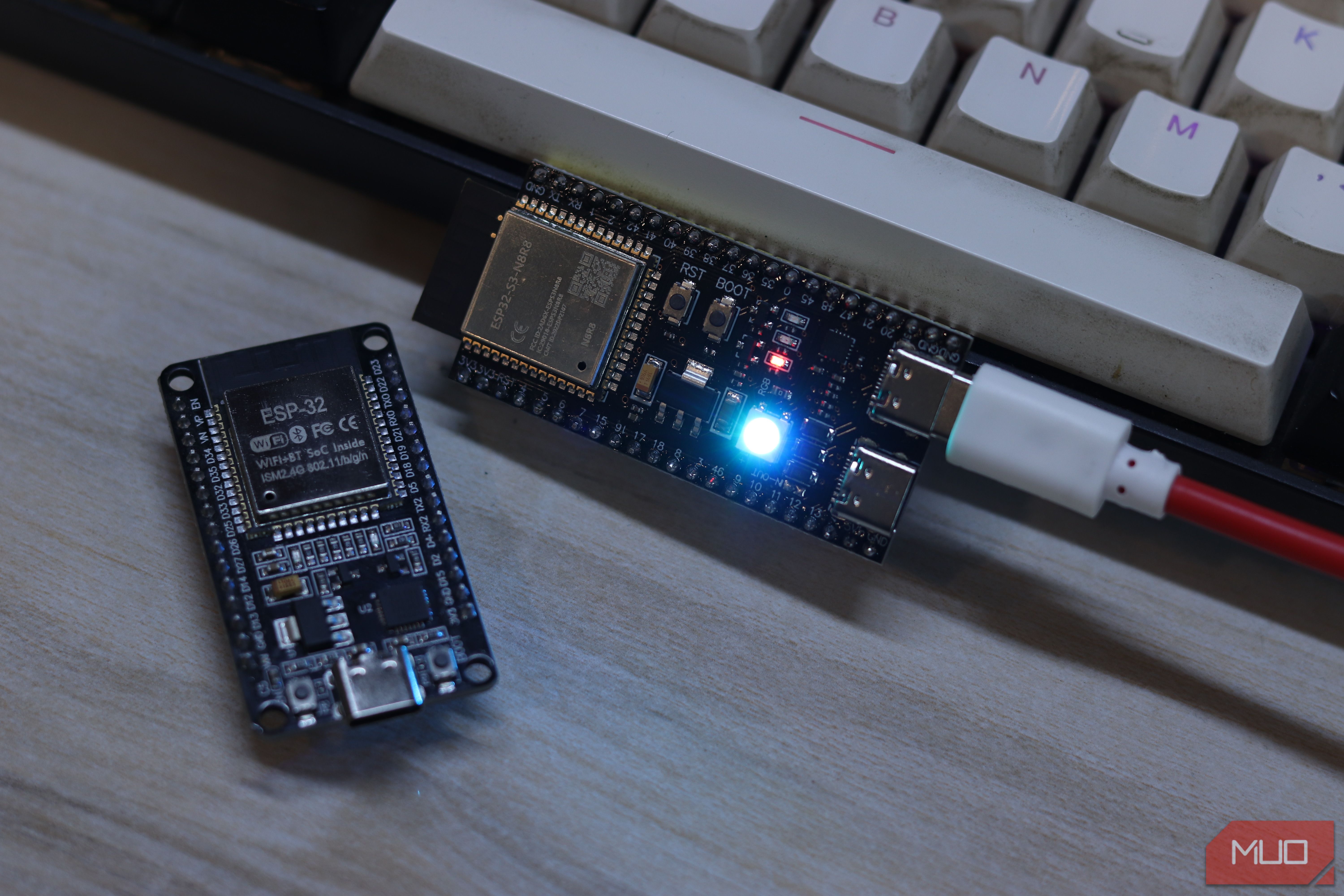
I made my own Yubikey for less than $8 Image taken by Yadullah Abidi | No attribution required. By Yadullah Abidi Published Aug 19, 2026, 1:01 PM EDT Yadullah Abidi is a Computer Science graduate from the University of Delhi and holds a postgraduate degree in Journalism from the Asian College of Journalism, Chennai. With over a decade of experience in Windows and Linux systems, programming, PC hardware, cybersecurity, malware analysis, and gaming, he combines deep technical knowledge with strong editorial instincts. Yadullah currently writes for MakeUseOf as a Staff Writer, covering cybersecurity, gaming, and consumer tech. He formerly worked as Associate Editor at Candid.Technology and as News Editor at The Mac Observer, where he reported on everything from raging cyberattacks to the latest in Apple tech. In addition to his journalism work, Yadullah is a full-stack developer with experience in JavaScript/TypeScript, Next.js, the MERN stack, Python, C/C++, and AI/ML. Whether he’s analyzing malware, reviewing hardware, or building tools on GitHub, he brings a hands-on, developer’s perspective to tech journalism. Sign in to your MakeUseOf account Add Us Add on Google Preferred Source Google News Summary Generate a summary of this story Like Like follow Follow followed Followed Thread Log in Here is a fact-based summary of the story contents: Try something different: Show me the facts Explain it like I’m 5 Give me a lighthearted recap Hardware security keys are one of the best things you can do for your online accounts, but a genuine YubiKey still costs anywhere from $25 to $70 depending on the model you get. As someone who’d rather solder something together than pay retail price for a glorified USB dongle, I went looking for a cheaper path — and found it in an ESP32-S3 board that costs less than a large coffee. Related 5 useful things a $5 ESP32 can do for your home network This tiny chip is doing too much. Posts 1 By Yadullah Abidi ## Why an ESP32 can pull this off ### No secure enclave required, just math and USB - Photo taken by Yadullah Abidi | No attribution required. - Image taken by Yadullah Abidi | No attribution required. - Image taken by Yadullah Abidi | No attribution required. - Image taken by Yadullah Abidi | No attribution required. - Photo by Yadullah Abidi | No Attribution Required. - - - - - Close - Photo taken by Yadullah Abidi | No attribution required. - Image taken by Yadullah Abidi | No attribution required. - Image taken by Yadullah Abidi | No attribution required. - Image taken by Yadullah Abidi | No attribution required. - Photo by Yadullah Abidi | No Attribution Required. - - - - - FIDO2 and U2F, the protocols behind hardware passkeys, don’t really need exotic secure silicon to work properly. There’s no TPM2.0 requirement like Microsoft forces on older processors to run Windows. All you need is a microcontroller that can handle USB HID communication and elliptic curve cryptography like ECDSA over NIST P-256. The ESP32-S2 a
翻译提示
本文已自动抓取,建议人工润色后发布。